At the table · Jules Hart · 3 min read
The pleasure of a seasonal table
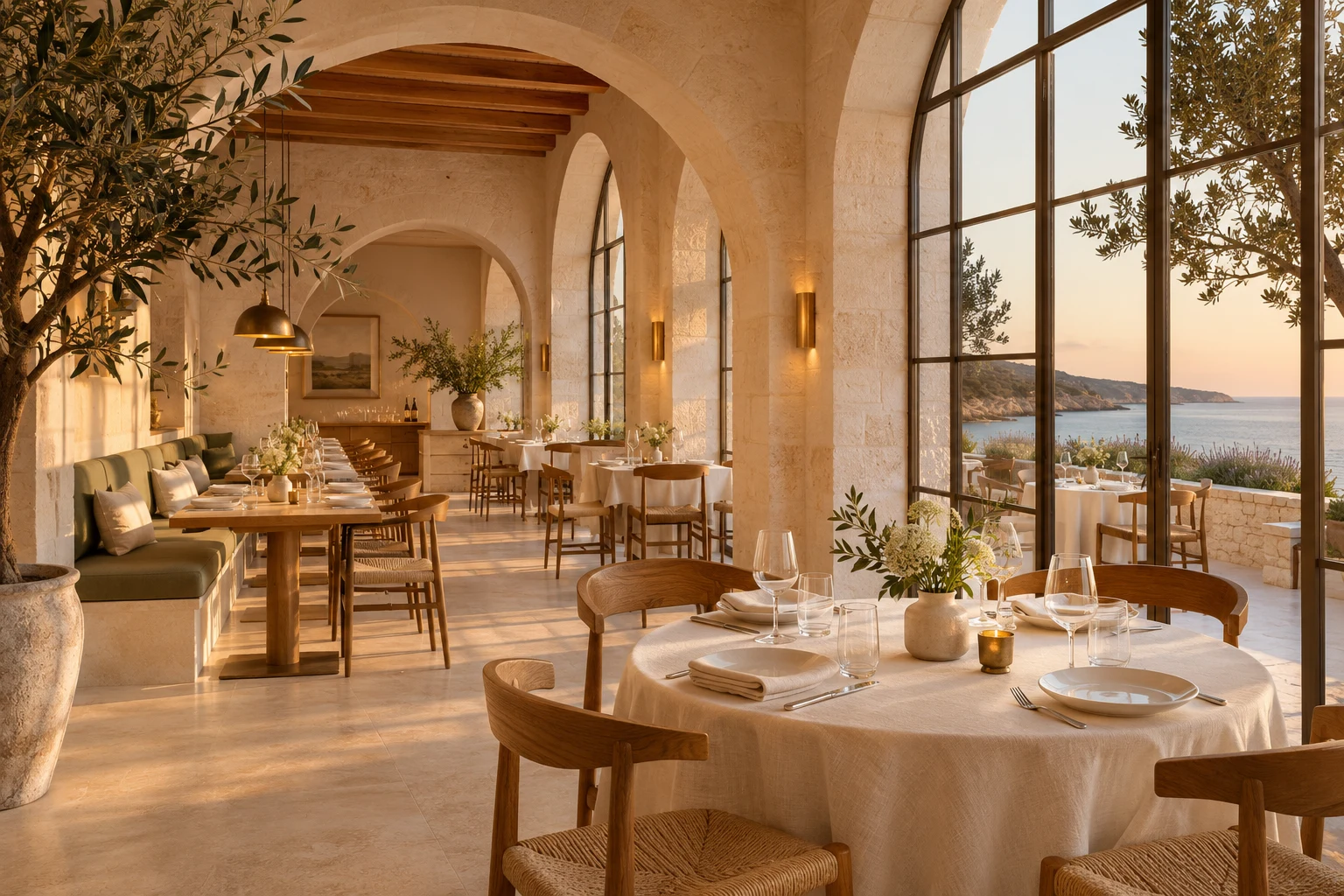
A considered restaurant menu can be short and still offer a generous evening. Seasonality gives the kitchen a useful focus and guests a clearer sense of the place.
Begin with what is good
The menu follows produce that is at its best, with a small number of dishes prepared thoughtfully. Some details change as ingredients arrive. We would rather explain a change than present a dish that no longer reflects the kitchen’s intention.
Have the dietary conversation early
An allergy, intolerance or preference deserves a clear discussion before the evening begins. Tell the team what you need, ask about preparation and allow the kitchen to explain what it can safely offer. A written note can help keep the detail accurate.
Give the meal its own time
Choose a time that leaves room for conversation and ask how long the menu usually takes. A calm pace does not mean uncertain service. The host should be able to explain the sequence and help you plan around the rest of your evening.
2 thoughtful responses
Nora Bell
A smaller menu with a clear explanation of seasonal changes is often easier to enjoy than a very long list. The dietary conversation matters too.
Elliot Stone
Knowing how long a menu usually takes is such a useful question when travelling with a group. It helps everyone settle into the evening.